A safe & healthy Spokane story
Our Issues
SBA's advocacy is a live campaign — not the minutes of a meeting. Scroll through where we stand.
Chapter 01 · Spokane Adds Red Tape. Idaho Adds Housing.
Spokane should be removing barriers to housing, not adding new ones.
Spokane Is About to Make Housing Even Harder — and Hand Idaho Another Win
A new Spokane City Hall proposal would require rental housing in Spokane to add cooling equipment to keep bedrooms at or below 80 degrees.
This proposed regulation is clearly well intentioned. But the old saying about getting something for nothing applies here: when the City Council makes it more expensive to build housing, the obvious result is higher rents and less new housing construction in Spokane. And that means fewer affordable homes for working families, seniors, and young people trying to get established.
This is exactly the wrong direction for Spokane. Post Falls, Coeur d'Alene, and the rest of Kootenai County have been building housing at nearly twice the rate of Spokane County over the last decade, and this proposed regulation will push even more families across the border into Idaho.
Just as important, Spokane appears to be moving beyond what many peer cities have adopted. Cities such as Boise, Seattle, and San José appear to have focused more on general tenant protections rather than the rigid mandate Spokane is considering.
Also consider that unlike much hotter areas like Phoenix and Las Vegas, Spokane has cool nights, and for generations, people here have cooled homes and apartments by opening windows at night and closing them during the day. So, the real question is whether this mandate makes sense here in Spokane, at this cost and at this moment?
Worse still, this proposal risks hurting the very people it claims to help. Tenants will help pay for these new costs whether they use the cooling or not — and many of those same households will struggle to afford the electric bill anyway!
This proposal should be stopped before it pushes even more Spokane jobs and residents into Idaho.
Chapter 02 · What Happens in Olympia Matters
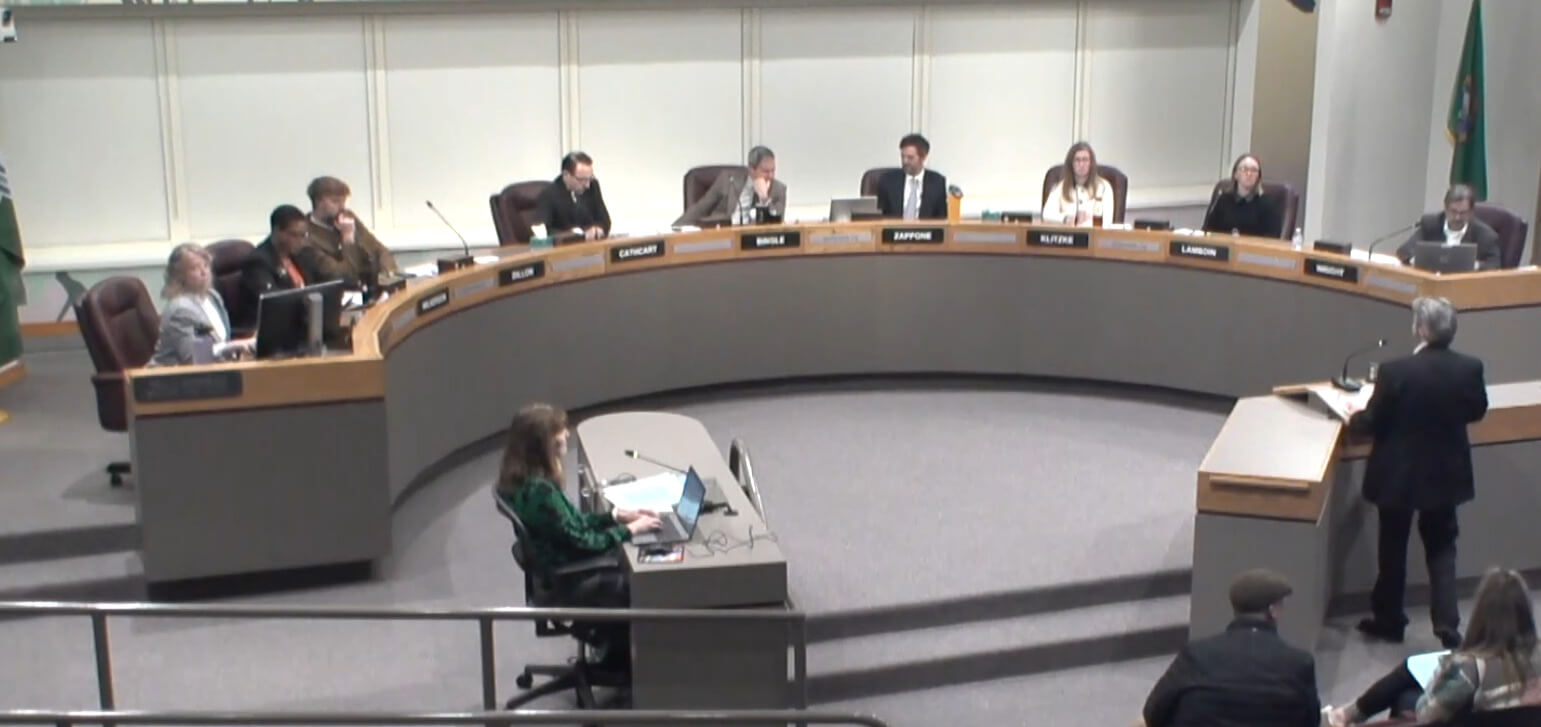
Staying up to date means having a voice before decisions are finalized.
For business leaders and community advocates especially, staying up to date means having a voice before decisions are finalized. Legislative proposals can move quickly, and once they become law, their impact can last for years. Tracking the process allows individuals and organizations to engage early—sharing insights, raising concerns, and helping shape policy in ways that support economic stability and community well-being.
TODO: link the "Download a List of Your Legislators" resource here once the URL is confirmed.
Chapter 03 · Homelessness & Behavioral Health
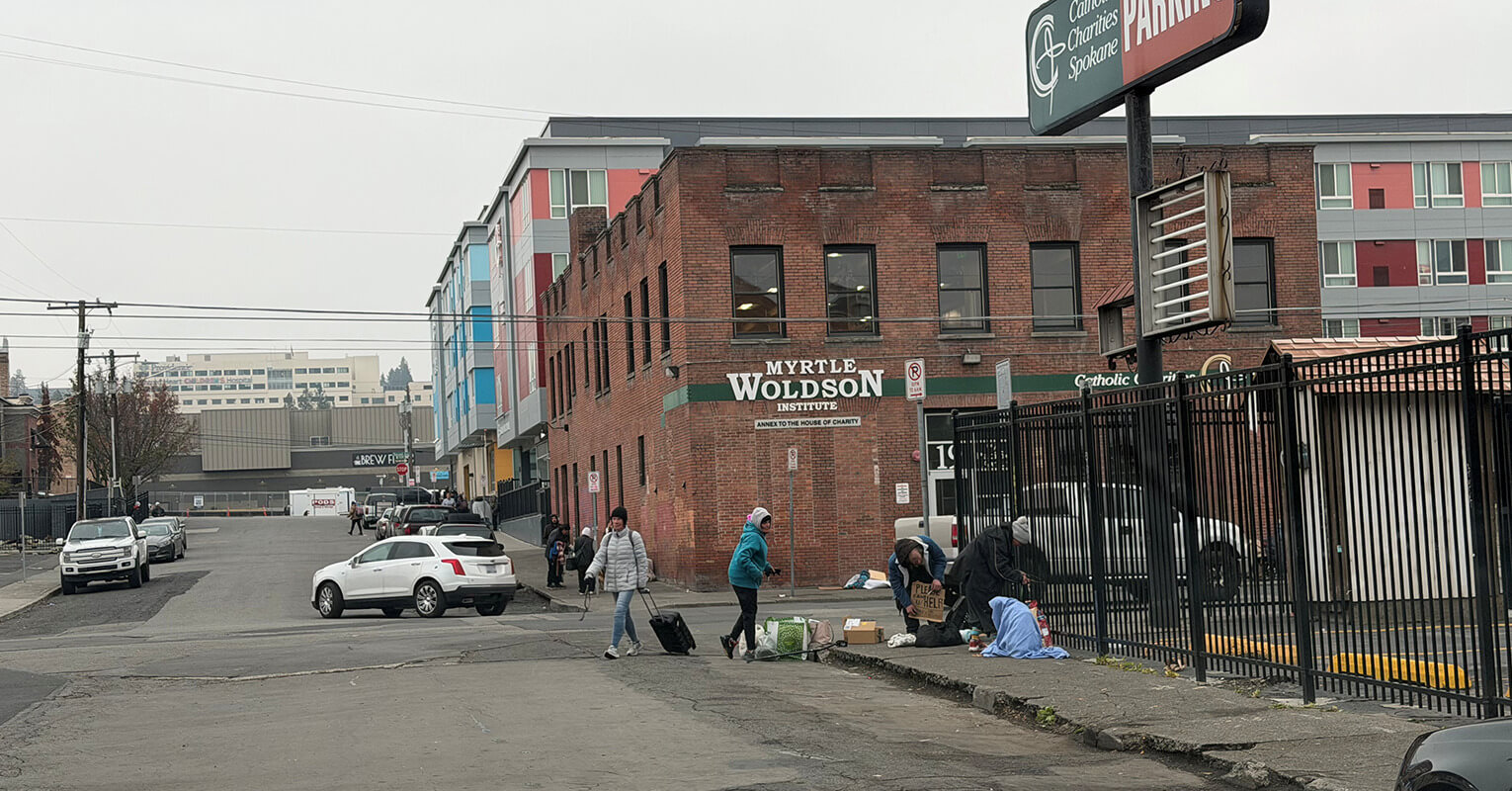
Homelessness remains one of the most visible and complex challenges facing Spokane.
Homelessness remains one of the most visible and complex challenges. City leaders are debating how to balance enforcement, shelter capacity, treatment, and long-term housing solutions. The closure of Spokane's navigation center and ongoing discussions about crisis response and treatment capacity show how fluid the situation remains.
This issue intersects with addiction services, mental-health treatment, and the broader question of how Spokane responds to people living on the streets.
Chapter 04 · Public Safety
Residents consistently rank crime and safety concerns among the top issues in the region, especially downtown.
Public safety continues to be closely tied to the homelessness conversation. Residents consistently rank crime and safety concerns among the top issues in the region, especially downtown.
Debates over policies like camping regulations and the Safe & Accessible Spaces ordinance illustrate how the city is trying to balance public order with humanitarian concerns.
Chapter 05 · Downtown Economic Vitality
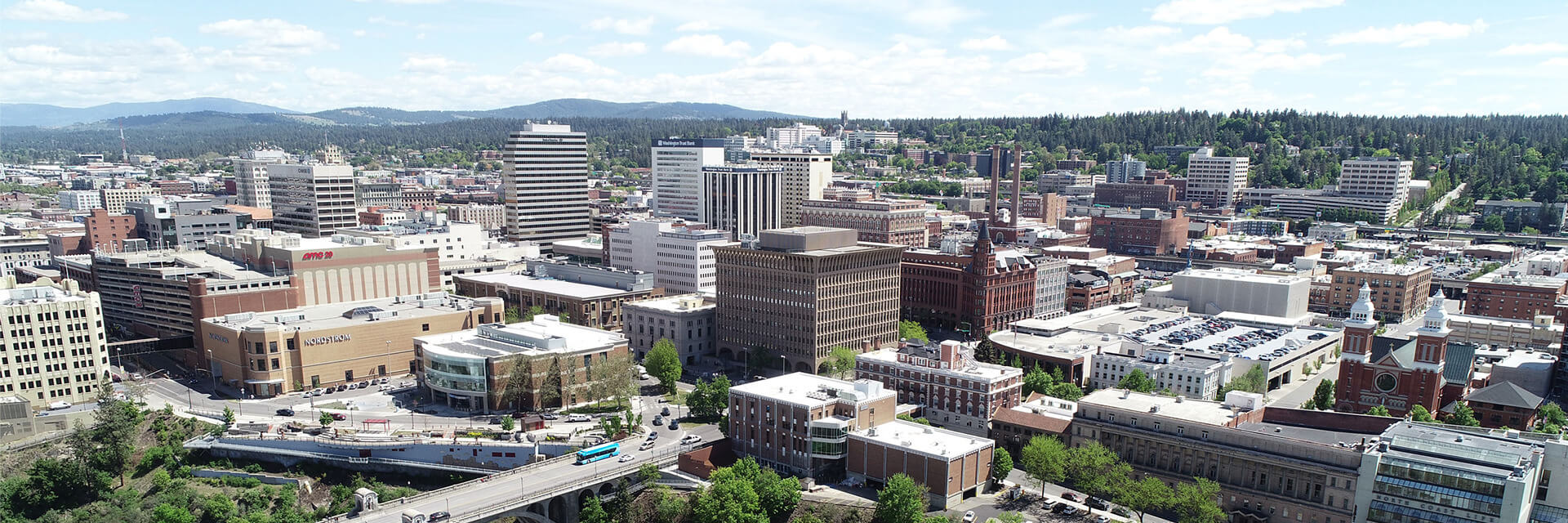
Downtown Spokane is going through a major transition — and revitalization is a major focus.
Downtown Spokane is going through a major transition. Office vacancies and fewer workers downtown have affected restaurants, retail, and services. At one point, downtown office vacancy rates reached about 28%, which business leaders say has a significant economic ripple effect.
Revitalization—bringing workers, residents, and visitors back downtown—is a major focus for business groups and city leadership.
Track Record
What we’ve helped get done
A record of results — move through it below.
- 2025
"Safe and Accessible Spaces" Ordinance
On October 27, 2025, the Spokane City Council unanimously passed the "Safe and Accessible Spaces" Ordinance — containing more than 90% of SBA's Legislative Blueprint.
STA Plaza Relocation & Redesign
Promoting strategic improvements to downtown, including the relocation and redesign of the Spokane Transit Authority Plaza.
Cleaner & Safer Public Spaces
Support for efforts related to cleaner and safer public spaces and strengthening law enforcement resources across Spokane.
Defending Affordable Housing
Opposing policies viewed as barriers to affordable housing development, keeping Spokane competitive for working families.
Business Meets Policymaker
Recurring events — the Annual Dinner, Lunch & Learn series, and Focus Councils — have brought together hundreds of business leaders, community stakeholders, and elected officials.
East Spokane & the Sprague Corridor
Through the East Spokane Business Association (ESBA), SBA has supported neighborhood-level revitalization — commercial preservation, infrastructure, and business growth along the Sprague corridor.
Go deeper
The campaigns behind our positions
Our stances turn into specific efforts and a policy agenda.
Take Action
Reach your elected officials
Turning “here’s a list” into “here’s an action.”
Your representatives work for you. We’ve gathered Spokane’s city, county, state, and federal officials — each reachable in one click.
Email your officials